


Introduction
Every year, Samsung pushes the envelope with its Galaxy S phones—2025 is no exception. The Samsung Galaxy S25 is the latest in the company’s compact flagship line-up, positioned at the starting point of a three-tier series along with the S25+ and the formidable S25 Ultra. However, ‘base model’ shouldn’t imply they have cut corners—in an age of increasingly homogenous phones, the Galaxy S25 makes a compelling argument for itself with tangible hardware improvements, a genuinely useful AI ecosystem and a comfortably usable form factor.However, is it a worthy upgrade? Does it offer enough newness to warrant an upgrade from the previous generation or is it simply last year’s phone, just in a slightly thinner package? Today I will analyze every detail of the Samsung Galaxy S25—design, display, performance, camera, battery and software—in order to help you decide if this phone deserves your hard-earned cash.
Design and Build Quality
Samsung Galaxy S25 Full Review: Is This the Best Compact Flagship of 2025?
Published: February 2025 | Category: Smartphone Reviews | Reading Time: ~10 minutes
Introduction
Every year, Samsung raises the stakes with its Galaxy S series — and 2025 is no different. The Samsung Galaxy S25 arrives as the company’s compact flagship, sitting at the base of a trio that includes the S25+ and the powerhouse S25 Ultra. But “base model” doesn’t mean compromise. In an era where smartphones all seem to blur together, the Galaxy S25 makes a case for itself with meaningful hardware refinements, a genuinely useful AI ecosystem, and a form factor that’s easy to love in daily use.
But is it a worthy upgrade? Does it stand out from the crowd, or is it just last year’s phone in a slightly thinner shell? This full review digs into every corner of the Samsung Galaxy S25 — design, display, performance, cameras, battery, and software — so you can make an informed decision before spending your hard-earned money.
Design and Build Quality
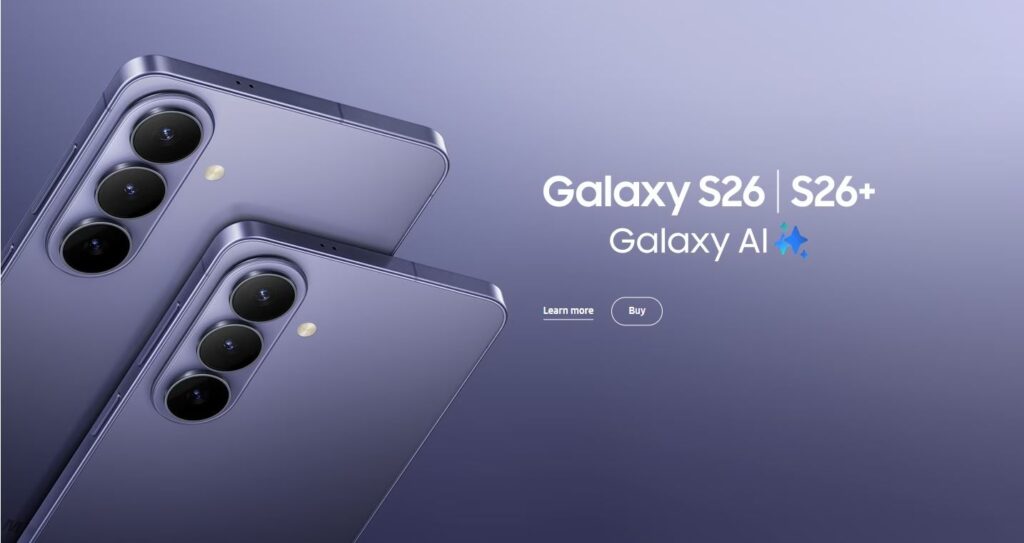
The Galaxy S25 continues Samsung’s tradition of premium build quality, but 2025 sees a subtle yet satisfying refinement. The phone is 0.4mm thinner than its predecessor, the Galaxy S24, a small number that actually translates to a noticeably more pocketable feel. The bezels have also been trimmed, making the screen feel more expansive without increasing the overall footprint of the device.
The chassis is crafted from Armor Aluminum, and the front is protected by Corning Gorilla Glass Victus 2 — both choices that signal Samsung’s commitment to durability without inflating the price. The rear panel has a smooth matte finish that resists fingerprints reasonably well, and the overall assembly feels tight, premium, and intentional.
The color lineup for the standard S25 is actually quite fun. Unlike the Ultra model, which leans into muted, professional tones, the base S25 offers some genuinely expressive options. Whether you prefer something understated or something that makes a statement in your pocket, there’s likely a color here for you.
One area Samsung hasn’t budged on: the in-display fingerprint reader. It uses an ultrasonic sensor, which is faster and more reliable than optical alternatives. Combined with facial recognition, unlocking the phone feels near-instant in most real-world conditions.
The Galaxy S25 also carries an IP68 rating, meaning it can survive submersion in up to 1.5 meters of water for 30 minutes. For a phone you’ll carry everywhere, that peace of mind matters.
Display
The Galaxy S25 sports a 6.2-inch Dynamic AMOLED 2X display — and it’s stunning. Samsung has long been the gold standard for mobile panels, and this screen does nothing to change that reputation.
A few key specs worth highlighting:
- Resolution: Full HD+ (though some configurations support higher)
- Refresh Rate: Adaptive 1–120Hz, meaning it intelligently scales from smooth 120Hz scrolling to a battery-friendly 1Hz when viewing static content
- Peak Brightness: Up to 2,600 nits, which is genuinely impressive in outdoor sunlight
In everyday use, the display is a joy. Colors are vibrant without being oversaturated, contrast is excellent, and the adaptive refresh rate is smooth enough that you’ll notice immediately if you ever switch back to a 60Hz phone. Samsung’s color calibration has matured significantly, and the S25 can be tuned to match sRGB or Display P3 profiles for content creators who care about accuracy.
For media consumption, the S25 is excellent. Streaming video, scrolling through social feeds, and even doing precision editing tasks in photo apps all feel great on this panel. It’s hard to ask for more at this size.
Performance: Snapdragon 8 Elite for Galaxy
Under the hood, the Galaxy S25 is powered by the Snapdragon 8 Elite for Galaxy — a customized version of Qualcomm’s flagship chip tuned specifically for Samsung’s devices. It’s paired with 12GB of RAM across all configurations.
The result is exactly what you’d expect: the phone is incredibly fast. App launches feel instantaneous, multitasking is seamless, and there’s no stutter or hesitation in daily use. Games run smoothly, and even demanding tasks like editing 4K video or running multiple AI features simultaneously don’t cause any visible slowdowns.
Samsung has also enlarged the vapor chamber inside the S25 compared to previous generations, improving thermal management. During extended gaming sessions or heavy workloads, the phone maintains its performance without throttling aggressively — a problem that has plagued some Android flagships in the past.
For storage, the S25 is available in:
- 128GB (base)
- 256GB
- 512GB
There is no microSD card slot, which is a continuing industry trend that still frustrates some users. If you work with a lot of photos, videos, or downloaded media, budget for the 256GB variant at minimum.
Camera System
The cameras are arguably the most talked-about feature of any flagship smartphone, and the Galaxy S25 has a lot going on here.
Rear Camera Setup
The S25 comes with a triple rear camera system:
- Main (Wide): 50MP, f/1.8 aperture, 24mm equivalent, OIS, Dual Pixel AF
- Ultrawide: 12MP, f/2.2, 13mm equivalent, fixed focus
- Telephoto: 10MP, f/2.4, 67mm equivalent (3x optical zoom), OIS, PDAF
The main camera is the star of the show. With a large 1/1.56″ sensor and a wide f/1.8 aperture, it captures excellent detail, natural colors, and wide dynamic range across a variety of lighting conditions. Daylight shots are crisp and punchy, and the phone’s processing is confident without over-sharpening or applying too heavy a beauty filter to subjects.
The telephoto camera delivers solid 3x optical zoom performance. Zoomed-in portraits in good light look flattering, with natural bokeh and accurate subject separation. In low light, zoom shots show some quality degradation, which is expected at this sensor size.
The ultrawide camera is capable, but it does have a notable limitation: no autofocus. This rules it out entirely for macro photography, and for general landscapes, you’ll need to make sure your subjects are at a sufficient distance for sharp results. The dynamic range and color matching with the main camera is good, keeping multi-camera shots consistent.
Video
All four cameras on the Galaxy S25 can shoot 4K video at up to 60fps. The main rear camera also supports 8K video at 30fps, which is impressive, though largely of academic interest for most users given the storage and processing demands.
A notable upgrade in the S25 is the introduction of 10-bit HDR video recording (up from 8-bit on the S24). This means more color depth and smoother gradients, particularly visible when editing footage in professional applications. There’s also a new Galaxy Log video mode for filmmakers who prefer to do their own color grading in post-production.
Video stabilization is effective and available across all camera modes, helping smooth out handheld footage.
Night Photography
Samsung’s Nightography processing has improved alongside the upgraded chip. The phone defaults to standard Photo mode in most low-light conditions, applying light noise reduction and reasonable exposure. Forcing Night mode manually typically produces cleaner, sharper, and more visually appealing results — brighter shadows, less noise, and better contrast. If you shoot a lot in dim environments, getting used to manually activating Night mode is worth the effort.
Front Camera
The 12MP selfie camera includes autofocus, which is more than many competing phones offer. Selfies come out well-exposed with accurate skin tones, wide dynamic range, and enough detail to look good both on screen and when printed.
Galaxy AI: Samsung’s Artificial Intelligence Suite
One of Samsung’s biggest selling points for the S25 series is Galaxy AI — a collection of artificial intelligence features built into the operating system. These features range from practical productivity tools to creative utilities.
Some of the standout Galaxy AI features include:
- Now Brief: A personalized AI-driven briefing that appears on your phone based on your schedule, habits, and context. It’s like a smart daily summary tailored to your life.
- Audio Eraser: Removes unwanted background noise from videos after they’ve been recorded. Useful for cleaning up clips shot in noisy environments.
- Auto Trim: Automatically identifies the best clips from a batch of videos and assembles them into a highlight reel.
- Live Translate: Real-time translation during phone calls, making cross-language communication smoother than ever.
- Chat Assist: Helps polish and improve text messages, adjusting tone and fixing grammar in messaging apps.
These features are powered by a combination of on-device processing and cloud-based AI, leveraging both Samsung’s own models and integrations with Google Gemini. Samsung has promised that core Galaxy AI features will remain free through 2025, though future enhanced features may come with a subscription.
In practice, Galaxy AI feels genuinely useful rather than a marketing checkbox. Features like Audio Eraser and Live Translate solve real problems that regular smartphone users encounter.
Battery Life
The Galaxy S25 is equipped with a 4,000mAh battery, which is appropriate for its compact 6.2-inch size. For average users — moderate browsing, social media, streaming, and some photography — the phone comfortably gets through a full day on a single charge.
Heavy users — gamers, people who shoot a lot of video, or those on their phones constantly — may find themselves reaching for a charger before the day ends. This is one area where the S25+ (with its 4,900mAh battery) has a meaningful advantage.
For charging:
- Wired: 25W Super Fast Charging
- Wireless: 15W wireless charging
- Reverse Wireless: Supported
The 25W wired charging speed is adequate but not class-leading. Some competitors offer 65W or even 100W charging. That said, Samsung prioritizes battery longevity as much as raw charging speed, so the more measured approach makes sense for a phone you’ll want to keep in good health for years.
Software: One UI 7 on Android 15
The Galaxy S25 ships with Android 15 and Samsung’s One UI 7 on top. One UI is among the most feature-rich Android skins available, offering deep customization options, a clean visual design, and excellent integration with Samsung’s broader ecosystem (Galaxy Buds, Galaxy Watch, Samsung DeX, etc.).
Samsung has committed to seven years of OS updates and security patches for the S25 series — a genuinely impressive commitment that puts it on par with Apple’s iPhone update longevity. If you’re the type of person who holds onto a phone for four or five years, this matters enormously.
One UI continues to offer strong privacy controls, including the Privacy Dashboard, which shows which apps are accessing sensitive permissions. Samsung’s Knox security platform also provides an additional layer of enterprise-grade protection for users who need it.
What’s Missing?
No review would be complete without an honest look at the trade-offs. Here’s what the Galaxy S25 doesn’t offer:
- No microSD card slot: Expandable storage is gone, so choose your capacity wisely.
- No S Pen support: The stylus is exclusive to the Ultra model.
- No ultrawide autofocus: A limitation that reduces the camera system’s versatility.
- 25W charging: Competitors charge significantly faster.
- No 4K 120fps video: That option is reserved for the S25 Ultra.
Samsung Galaxy S25: Specifications Summary
| Feature | Specification |
|---|---|
| Display | 6.2″ Dynamic AMOLED 2X, 120Hz |
| Processor | Snapdragon 8 Elite for Galaxy |
| RAM | 12GB |
| Storage | 128GB / 256GB / 512GB |
| Main Camera | 50MP, f/1.8, OIS |
| Ultrawide Camera | 12MP, f/2.2 |
| Telephoto Camera | 10MP, 3x optical zoom |
| Front Camera | 12MP with autofocus |
| Battery | 4,000mAh |
| Charging | 25W wired, 15W wireless |
| OS | Android 15, One UI 7 |
| Water Resistance | IP68 |
| Update Support | 7 years |
Who Should Buy the Galaxy S25?
The Samsung Galaxy S25 is the right phone if you:
- Want a compact flagship: At 6.2 inches, it’s one of the few premium small phones still on the market.
- Value software longevity: Seven years of updates is genuinely future-proof.
- Use AI features regularly: Galaxy AI is among the most practical AI suites on any smartphone today.
- Want great cameras without the Ultra price: The triple camera system handles the vast majority of everyday shooting scenarios with confidence.
You might want to look elsewhere if you need an S Pen, frequently shoot in extreme zoom ranges, game heavily on your phone, or simply can’t live without fast wired charging.
Final Verdict
The Samsung Galaxy S25 is a refined, capable, and genuinely enjoyable flagship smartphone. It isn’t a dramatic reinvention of the formula — and for most users, it doesn’t need to be. The combination of the Snapdragon 8 Elite chip, a stunning Dynamic AMOLED display, a versatile triple camera system, and Samsung’s maturing Galaxy AI platform makes this a compelling package for anyone entering or staying in the Samsung ecosystem.
The seven-year software commitment alone sets it apart from many rivals and gives buyers the confidence that their investment will remain relevant for years to come.
If you’re upgrading from a Galaxy S21 or earlier, the S25 will feel like a leap forward in every meaningful way. If you’re coming from an S23 or S24, the upgrades are real but incremental — and whether they justify the upgrade cost depends on how much you value the latest chip and AI features.
Overall Rating: 4.3 / 5
Frequently Asked Questions
Q: Is the Samsung Galaxy S25 worth buying in 2025? Yes. It’s one of the most balanced compact flagship smartphones on the market, offering excellent performance, a capable camera system, and long software support at a competitive price point.
Q: Does the Galaxy S25 support 5G? Yes. The Galaxy S25 supports 5G connectivity, along with Wi-Fi 6E for fast wireless networking.
Q: How long will Samsung support the Galaxy S25? Samsung has committed to seven years of operating system updates and security patches for the Galaxy S25.
Q: Does the Galaxy S25 have a headphone jack? No. Like most modern flagships, the Galaxy S25 does not include a 3.5mm headphone jack. You’ll need to use Bluetooth headphones or a USB-C adapter.
Q: Can the Galaxy S25 charge wirelessly? Yes. It supports 15W wireless charging and also supports reverse wireless charging, allowing you to charge compatible accessories like Galaxy Buds by placing them on the back of the phone.
Q: Is the Galaxy S25 waterproof? The Galaxy S25 carries an IP68 rating, meaning it can withstand immersion in up to 1.5 meters of water for 30 minutes under controlled conditions.
This review is based on hands-on testing and publicly available technical specifications. For the most up-to-date pricing and availability, check Samsung’s official website or authorized retailers.
The Galaxy S25 sticks with Samsung’s high quality, premium styling, but 2025 has brought a fine, if subtle, upgrade. The handset is 0.4mm thinner than the Galaxy S24, a small figure, but while the size hasn’t changed, the feel of a slightly more pocketable device is welcome. The bezels have also been slimmed down, giving you more screen for the size of your device.The body is made from Armor Aluminum, and the front is covered with Corning Gorilla Glass Victus 2 — both indications of the durable build quality of these premium phones, but without driving up the price. The matte back panel has a fine, smooth coating to prevent fingerprints from taking over, but is otherwise quite comfortable, with a meticulous overall feel to every touch.The colour selection for the standard S25 is actually quite lively, unlike the comparably muted and businesslike Ultra. If you want a phone that isn’t boring but isn’t blinding everyone for you either, the Galaxy S25 has quite a few exciting options for you.The fingerprint scanner in the display is still the same, also, offering the ultrasonic sensor, which is quicker, and more accurate, than the optical type. With facial recognition, you can get in very rapidly in the vast majority of real-world situations.You’re also getting an IP68 water resistance rating, so the Galaxy S25 can be dropped into 1.5 meters of water for half an hour without a care in the world.
Display
The Galaxy S25 sports a 6.2-inch Dynamic AMOLED 2X display — and it’s stunning. Samsung has long been the gold standard for mobile panels, and this screen does nothing to change that reputation.
A few key specs worth highlighting:
- Resolution: Full HD+ (though some configurations support higher)
- Refresh Rate: Adaptive 1–120Hz, meaning it intelligently scales from smooth 120Hz scrolling to a battery-friendly 1Hz when viewing static content
- Peak Brightness: Up to 2,600 nits, which is genuinely impressive in outdoor sunlight